Why This Trend Is About More Than One Match
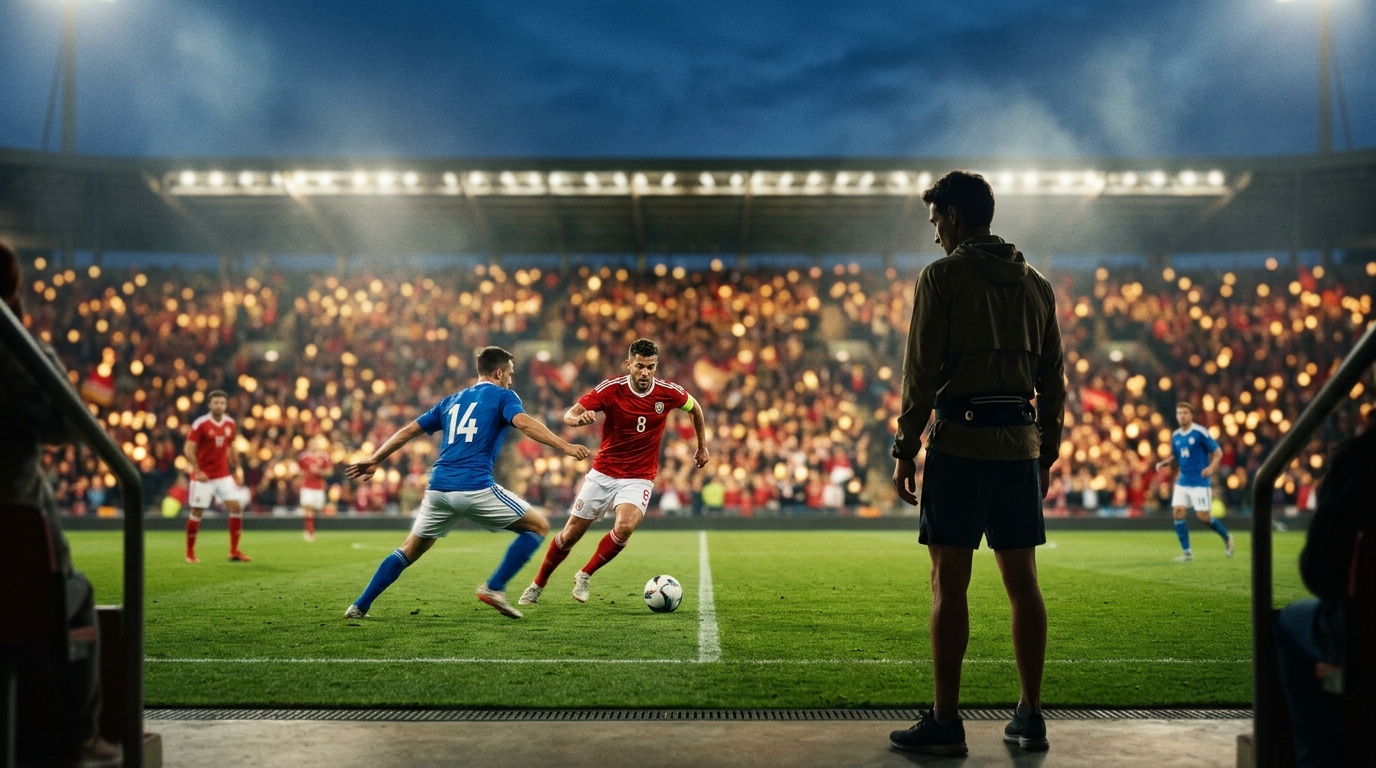
When a well-known coach speaks candidly about physical preparation before a demanding fixture, the headline usually focuses on the opponent. The more useful story sits underneath: an admission that performance is decided by weeks of unseen conditioning work, load management, and mental readiness. For amateur football in Indonesia — from community leagues to weekend squads — that admission is a rare gift, because it validates what many volunteer coaches already suspect: talent alone does not survive a full 90 minutes.
What "Physical Preparation" Really Includes
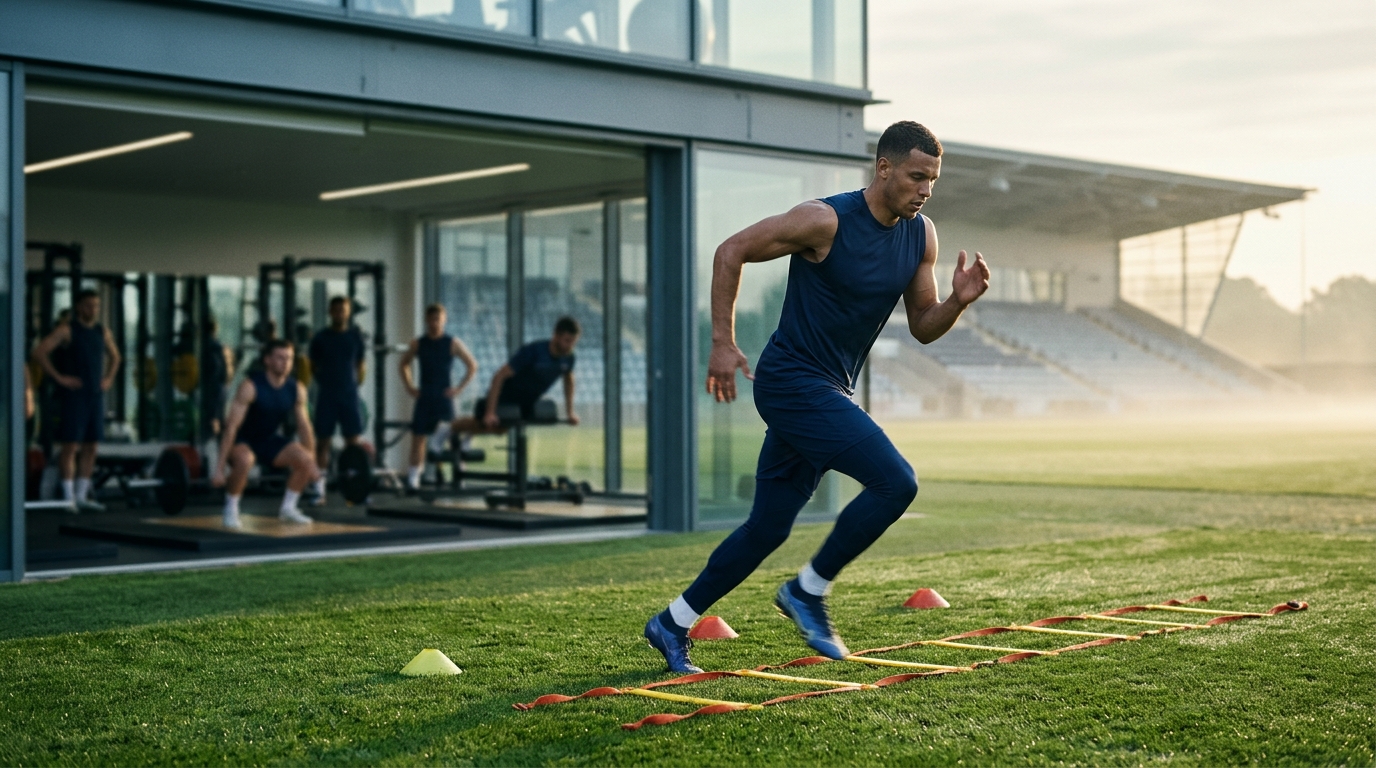
It is not only running laps. Modern preparation blends aerobic capacity, repeated sprints, strength durability, sleep, nutrition, and a calm head. A coach's comments before a match are, in practice, a public summary of the club's sports science.
The Pressing–Fitness Connection
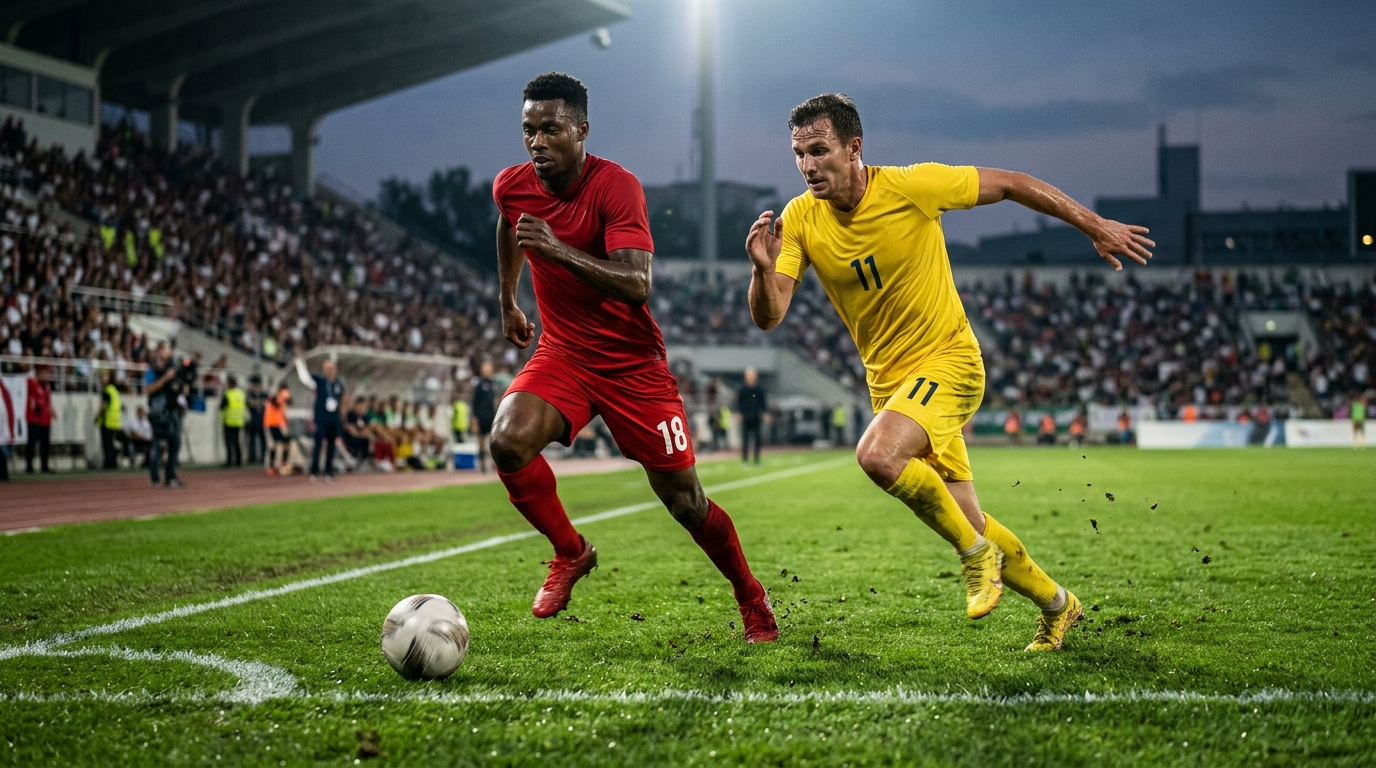
Teams that press high demand enormous aerobic output from every player, including defenders and the line covering the goalkeeper. That style is a tactical choice with a physical price tag. If the body is not prepared, pressing collapses after half an hour and the team drops deep — exactly the scenario opponents wait for.
Why Intervals Beat Long Jogs
Match running is intermittent: short bursts, decelerations, changes of direction, brief recoveries. Long steady jogging builds a base but does not reproduce these demands. A practical mix works better:
Small-sided games (4v4 to 6v6) at high intensity in 3–5 minute blocks
Interval runs such as 30 seconds fast, 30–60 seconds easy
Change-of-direction drills over 10–20 meters
One longer aerobic session per week as a foundation
Loading the Week Like a Pro (Simplified)
Amateur teams can copy the shape of a professional week without copying its volume: a heavier session midweek, a short and sharp session before match day, and genuine rest the day before. The goal is arriving fresh, not exhausted.
Building Match Fitness for an Amateur Squad
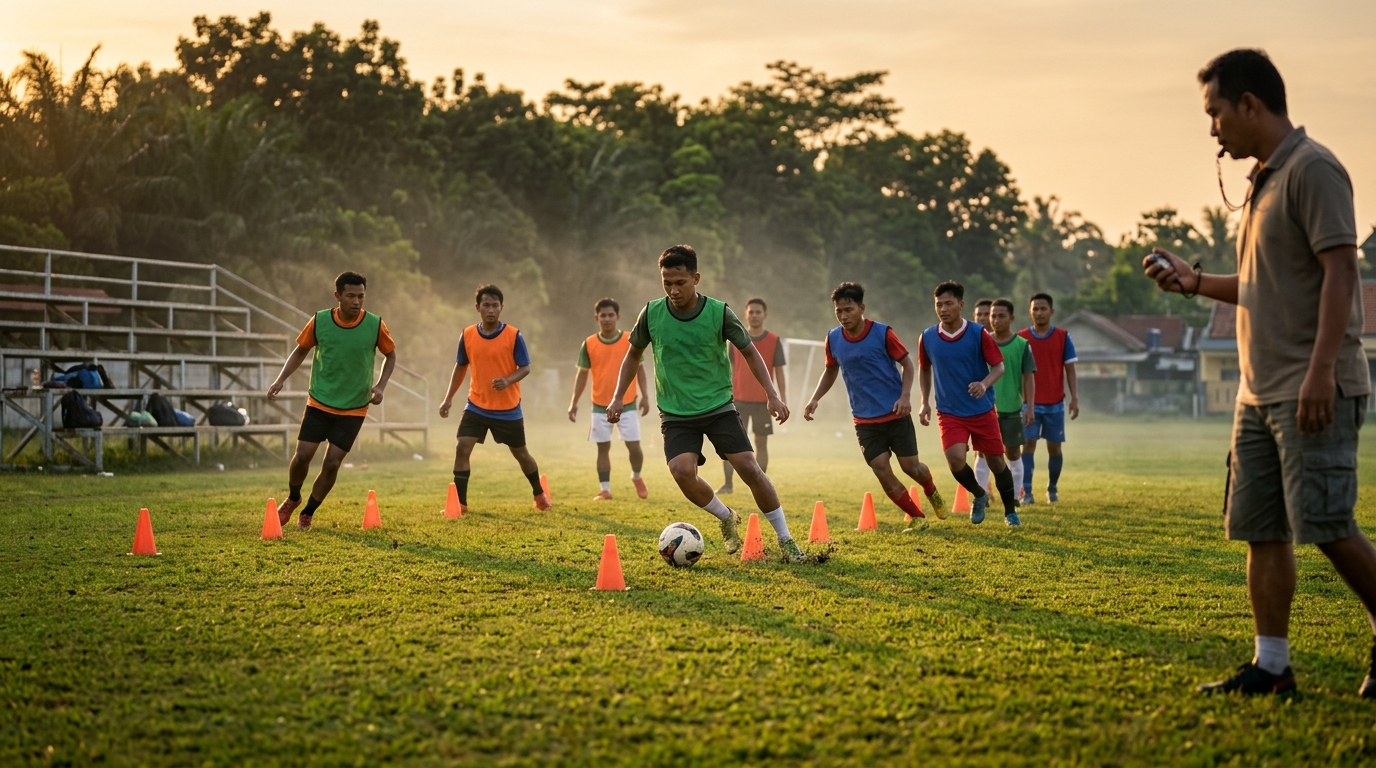
Most community teams train once or twice a week and often go straight into a full scrimmage. A small structural change produces most of the benefit:
Warm up properly: 10–15 minutes of dynamic movement, not static stretching
Add a 15-minute conditioning block before the scrimmage, not after
Manage minutes: players returning from injury or long absence should not start full matches
Rotate the squad during congested weeks with tournaments or back-to-back fixtures
Keep a simple log: attendance, perceived effort on a 1–10 scale, and any pain
None of this requires equipment beyond cones, bibs, and a whistle. It requires consistency, which is the hardest resource in amateur sport.
Recovery: The Half of Training Nobody Schedules
Adaptation happens between sessions, not during them. Between-match days decide whether fitness accumulates or injuries do. Practical priorities, in order of impact:
Sleep — protect 7+ hours where possible; late nights after work sessions carry a cost
Hydration and a real meal after training, not only sweet drinks
Easy movement the next day: walking, light cycling, mobility work
Minimal late nights and alcohol within the recovery window after matches
Coaches who speak about recovery openly do players a service, because young athletes often treat rest as weakness instead of training.
Mental Preparation You Can Actually Coach
Preparation is also psychological. Routines lower anxiety and keep decision-making sharp under fatigue.
A Simple Pre-Match Routine
Same arrival time and the same warm-up order every week
Two or three team cues for the game plan, not a long speech
Individual roles said out loud, briefly, by the player himself
A fixed word or gesture to reset after conceding a goal
Handling Setbacks
Teams that recover from a bad half are teams that rehearse it: discuss scenarios in training, assign a calming voice on the pitch, and debrief with facts rather than blame.
FAQ
How fit do amateur players really need to be?
Fit enough to execute your chosen style of play for the full match without form breaking down. If you press or play end-to-end, you need more repeated-sprint capacity than a team that sits deep. Build gradually across 6–8 weeks rather than in one brutal session.
Can a small team improve conditioning without a gym?
Yes. Intervals, small-sided games, and bodyweight strength (squats, lunges, core) cover the essentials. The limiting factor is almost never equipment; it is structured planning and consistent attendance.
Closing Thoughts and Takeaway
The lesson from a coach discussing physical preparation before a big match is not a secret drill — it is a mindset: fitness is designed, monitored, and recovered, never improvised. Indonesian amateur teams that adopt even half of this structure will feel the difference by the second half of their matches. Tools help too: with MoGerak, daily walks, runs, and rides can be turned into coin-earning challenges that keep a squad moving between training days. Start with one change this week — a proper warm-up, a conditioning block, or a fixed recovery routine — and let consistency do the rest.