Why a Friendly Match Is Trending With Fitness Fans
On paper, a friendly between Liverpool and Villarreal looks like a low-stakes exhibition. In practice, games like this have become full physical dress rehearsals: high tempo, large squads, and a coaching staff measuring every yard. For anyone interested in fitness, the match is a rare public window into how elite athletes build and protect stamina across a long season.
That relevance is exactly why the fixture is trending. Casual fans see goals and highlights; trainers and health enthusiasts see workload distribution, substitution patterns, and conditioning decisions that mirror what personal coaches do with ordinary clients.
What a High-Intensity Friendly Demands From Players
Sprint Volume and Repeated Accelerations
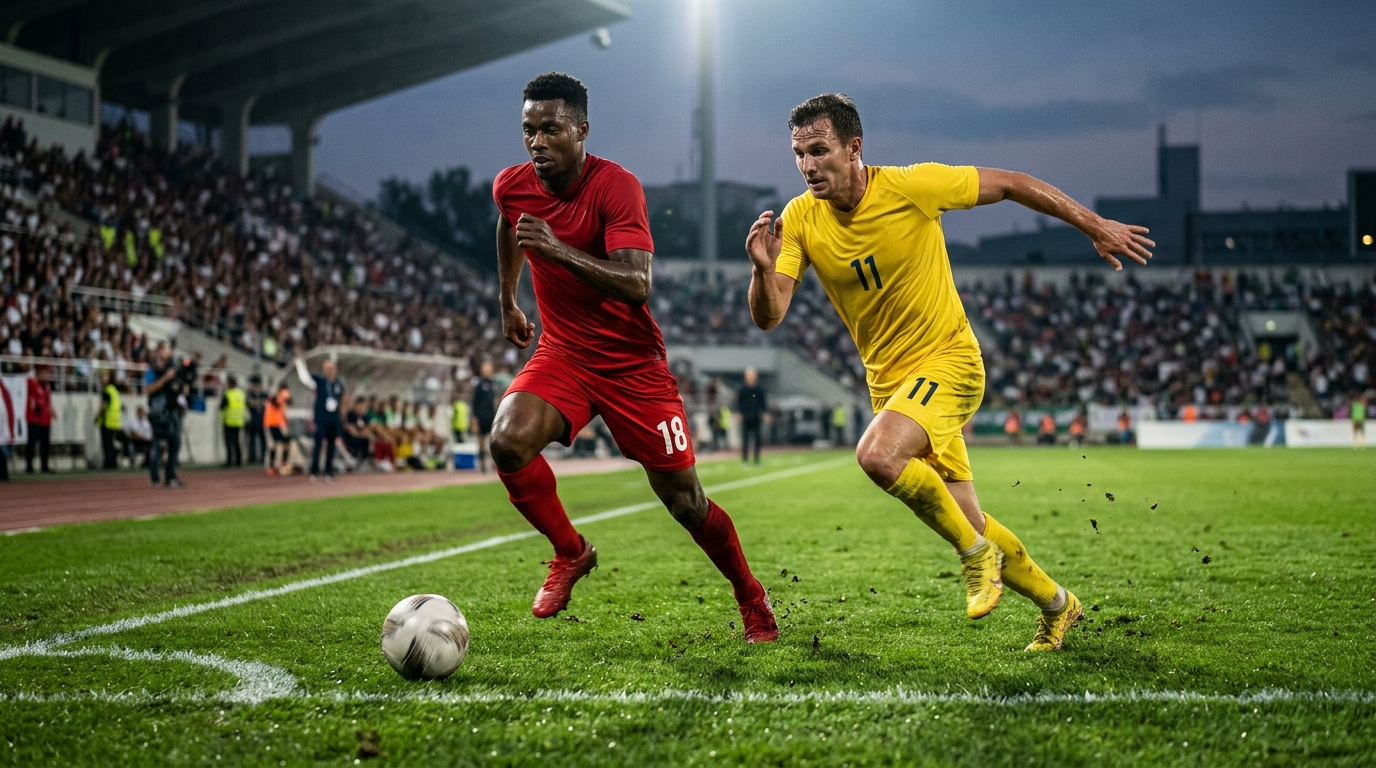
Elite midfielders and forwards typically cover around ten kilometers per match, and a meaningful slice of that comes in short, explosive bursts. Every acceleration taxes the hamstrings, quads, and calves; every deceleration and change of direction adds eccentric load. In a friendly played close to competitive tempo, players repeat these efforts dozens of times, which is why fresh legs matter even when nothing is at stake in the table.
Match Fitness on a Compressed Calendar
Friendlies often sit inside congested windows — after travel, before a league run, or mid pre-season. Clubs use them to check whether conditioning work is holding up. A strong first half followed by heavy substitutions is not laziness; it is a deliberate fitness test delivered in competitive conditions.
Squad Rotation as Load Management
Rotation is the most visible load-management tool in football. Coaches spread minutes across the squad so no single player's weekly load spikes. The logic is simple: soft-tissue injuries tend to follow sudden increases in volume or intensity, and a roster kept near a steady workload stays available over the months.
Watch a friendly and you can see this logic in action: halftime rebuilds of the starting eleven, sixty-minute caps for returning players, and role-specific minutes for youngsters. Each decision is a dose prescription, the same way a good trainer programs your week.
Lessons for Everyday Movers and Amateur Athletes
You do not need a sports science department to borrow these habits:
Warm up progressively, finishing near the intensity of your first working effort.
Grow weekly volume gradually; if a training week suddenly doubles, expect your body to push back.
Rotate hard and easy days the way coaches rotate players — stress, then absorb.
Treat sleep, hydration, and easy movement as part of training, not as the gap between sessions.
Log what you do. Loads you can see are loads you can manage.
Build Stamina Like a Squad, Not a Star
Consistency beats heroics. A weekly mix of easy walking or cycling, one or two harder efforts, and genuine rest days builds an aerobic base that lasts. Gamification helps here: with MoGerak, the steps, runs, or rides you already do earn coins you can trade for vouchers and challenges, which makes showing up week after week feel like play instead of homework.
FAQ
Are friendly matches really less intense than competitive games?
Often slightly lower in stakes-driven urgency, but modern friendlies — especially early in a season — are commonly played close to competitive tempo. Clubs increasingly use them to simulate real match load, which is why the physical output can still be demanding.
How do I apply load management to my own workouts?
Track your weekly total, increase it in small steps, and schedule lighter weeks before your body demands them. If you finish most sessions feeling wrecked rather than challenged, your acute load is outrunning your base.
Final Takeaways
A Liverpool vs Villarreal friendly is a live lesson in stamina economics: distribute the work, protect the body, and test fitness under realistic conditions. Apply the same three ideas to your own routine — rotate effort, progress gradually, and recover on purpose — and your training becomes more sustainable than any single heroic workout.